
It is an experience in which we use the fewest possible intermediaries: only one mediator: Jesus, the Lord; only one teacher: the Spirit who dwells within us; only one food: his Word and the Eucharist; and of everything else: nothing or almost nothing. The desert experience is encapsulated in these words of Saint John of the Cross:
“The Father spoke one word, who was his Son, and this word always speaks in eternal silence, and in silence it must be heard by man” (Sayings of Light and Love (Madrid) 99).
In Saint Charles de Foucauld, there is an evolution, from the drafting of the first Rules in 1896, in which he conceived the life of his brothers as “Hermits” because of “the great recollection in which they must live, even when several are together,” to his experience of Béni-Abbés and Tamanrasset, where he frequently sought solitude, either in his hermitage or at some point during his travels through the desert.
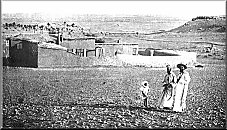 Brother Charles writes of his experience:
“It is necessary to pass through the desert and remain there to receive God’s grace. It is there that one empties oneself and separates oneself from all that is not God, completely vacating that little house of our soul, in order to leave all the space solely to God… It is indispensable. It is a time of grace. It is a time through which every person who wishes to bear fruit must necessarily pass; because this silence, this recollection, this forgetting of all creation is necessary for God to establish his kingdom in the person, forming within them the inner spirit; the intimate life with God in faith, hope, and love” (Letter, May 19, 1898).
Both for times of desert and for times when we are visited by the dark night, through various events and situations, the words that Brother Charles of Jesus wrote about Psalm 10 are valid:
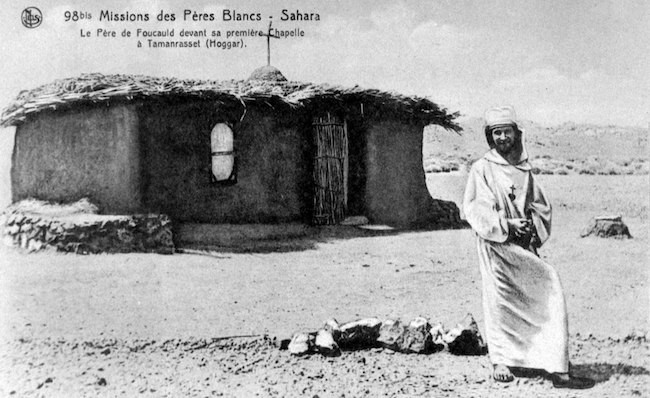 “The desert… is full of infinite and sublime graces… In it, God himself nourishes and clothes us; in it all enemies are miraculously overcome, provided one knows how to pray and obey God’s guidance; in it God is always with us, in our midst, speaking to us and guiding us constantly… in it God places us in a state of purity and holiness, making us his chosen people, who walk and live in full light, in the knowledge of him, in his love and in his obedience, under his direction.”
The desert, as an existential reality, as solitude and uprootedness, as emptiness and disorientation, is not limited in Charles de Foucauld’s case, as it is in every human being, exclusively to the years he spent with the nomadic peoples of North Africa in the Algerian desert. The deserts of life, in fact, struck him hard from childhood until practically his biological adulthood.
Furthermore, the historical period in which he lived was full of upheavals, wars, and exiles, which caused him emotional uprooting and ruptures, confronting him with the harshness of life and forcing him to begin again. It should be noted, however, that the man was privileged by birth and education; a student of Jesuits, he later entered the military academy to continue the family tradition.
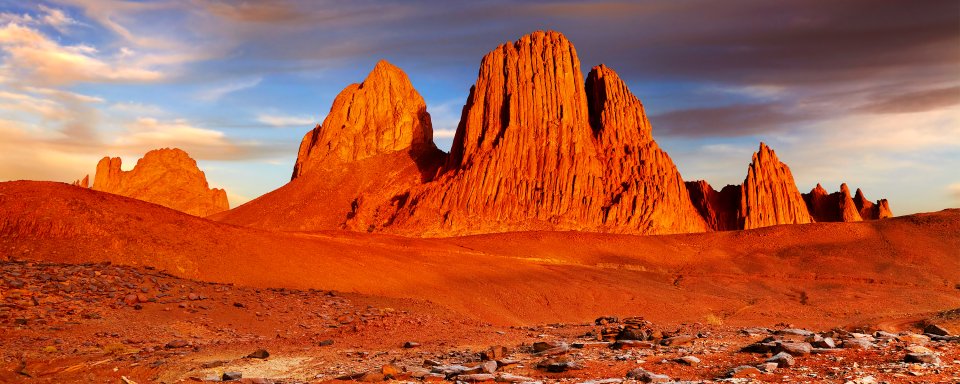
The desert is a place, a space. It is the time that the Lord freely gives us; not time that we offer to Him. We are accustomed to spending a day in the desert each month, but it is also a situation in life that can last not just a day, but weeks or months.
It is good to begin the desert by cultivating inner silence, eliminating internal noise, even if it surprises us again and again throughout the day. We must empty ourselves, baring our hearts before God, presenting ourselves to Him empty, so that He, and He alone, may fill us. The disciples on the road to Emmaus were not walking through the desert: they were full of inner noise. Only when they learned to listen to Jesus did they recognize Him.
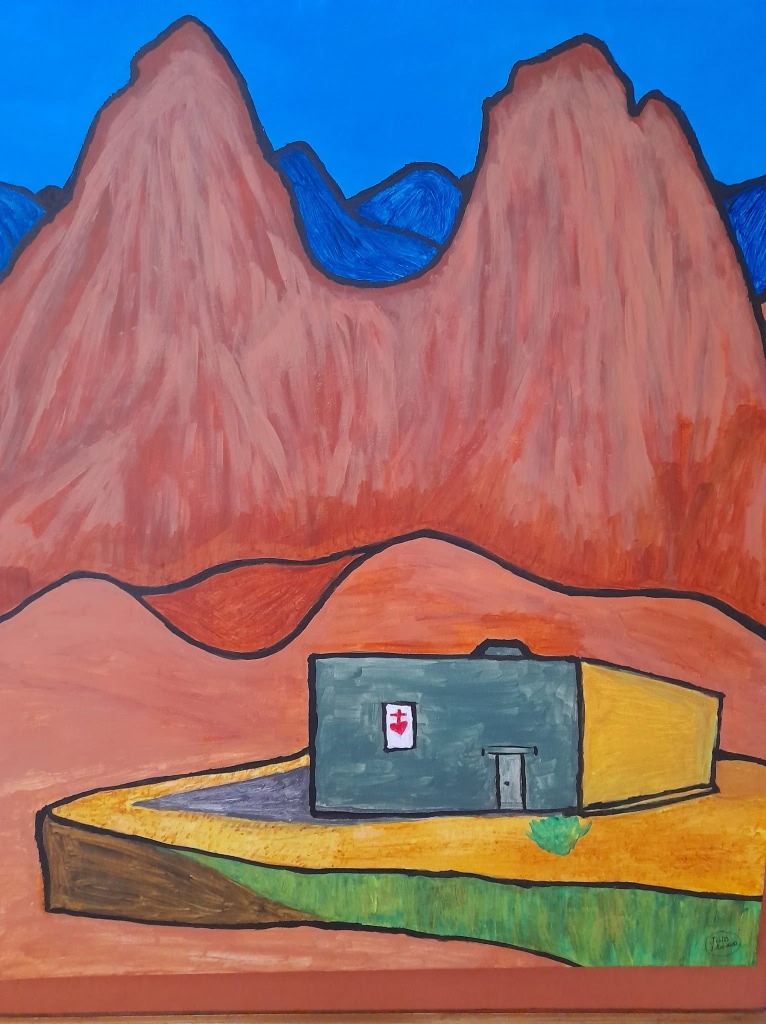 To quiet ourselves, it can help to begin by repeating a short prayer, either from the Bible (“Here I am, Lord, to do your will,” “Speak, Lord, for your servant is listening,” “Lord, you know everything; you know that I love you”…) or some personal expression. External silence is important: let the sounds of nature be a space for contemplation, as well as sunlight, the moon, the stars, the cold or the heat, the countryside, the mountains, the sea, the plants. These are contemplative spaces, but not objects of our poetry or admiration. Only in silence can we hear God: “I will lead her into the desert and speak tenderly to her.” The desert is a search, not an escape: to seek and let ourselves be led by it, to abandon ourselves to our guide.
Brother Charles lives in the desert because his life is a continuous search; a disciple of Emmaus whose companion was far away. Saint Charles de Foucauld knows how to listen to God and lives perpetually in love with Him. The desert is not worship, but a search and a listening. Therefore, Brother Carlos will make Adoration the moment of loving encounter with Jesus, the beloved, and the perfect space of union with him.
Those who truly journey through the desert are not seeking therapy, a boost to their self-esteem, a day trip, or a way to find peace within themselves or with nature. We can return from the desert more worried or restless than when we went there. “When God speaks, we are speechless” (José Sánchez Ramos). We can say little to nothing: only contemplate, feel His love.
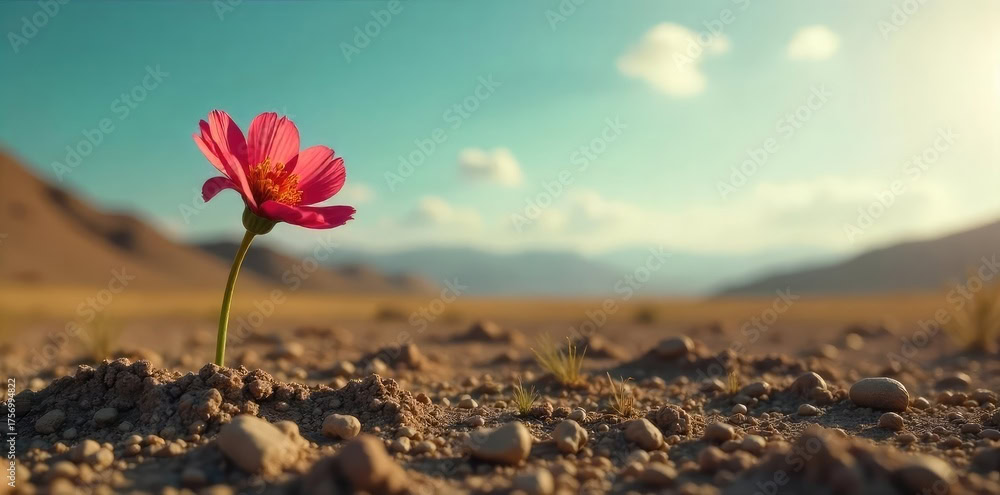
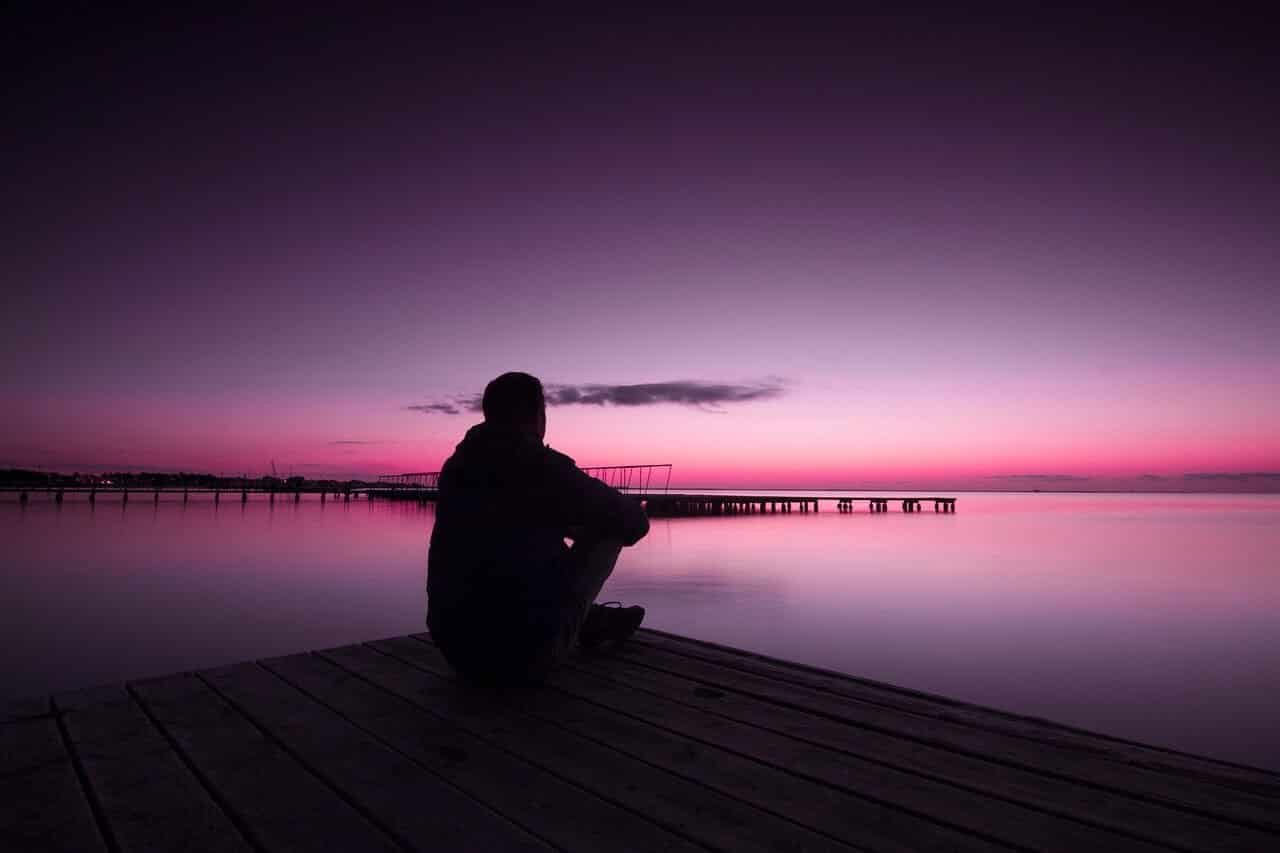 In the desert, we stop being so self-absorbed, so as not to fall into the Pharisee’s attitude: “I thank you, Lord, that I am not like other men…” The desert is the place where God teaches us to value ourselves more, and to value others much more when we meet them again. The true fruit of the desert is evident in life, both when it becomes a problem and when it is joy and happiness, like the tiny seeds in the soil or desert sand that sprout into beautiful, green plants when it rains.
In the desert, we can find great peace or great unease: confronting our reality can frighten us, and we risk turning the desert into an escape. Only if we appreciate God’s love, who listens to us, will we lose our fears and find our feet firmly on the ground. “Let nothing disturb you, let nothing frighten you. God never changes; all things pass away. Patience obtains all things. Whoever has God lacks nothing. God alone suffices” (Teresa of Ávila). And so our hope is strengthened.
The desert is not the place to write our memoirs or our thoughts, even if they are filled with faith and good feelings. Nor is it for reading, neither the Bible nor spiritual texts. Nor is it for praying, neither the rosary nor the Liturgy of the Hours. It is time freely given to the Lord, for Him alone, not for ourselves. Reading, praying, and writing can be done at other times. A good desert experience will later help us prepare for a good Review of Life or make decisions that were previously unclear to us.
 In the desert, we experience God’s presence beyond the Eucharist and the human element: His closeness, even His embrace. That alone, in an attitude of listening and seeking, is what truly matters. This is how the Lord speaks to us, with the language of the God of Love who looks upon His children with tenderness, without ill will, recriminations, or reproaches.
We also savor the material world: our bodies, our surroundings, the food and water we carry or find, as a great gift. Even the act of eating should be contemplative, sensing that food is nature created by God, nourishing us. “In that orange, in that apple, is the world” (José Sánchez Ramos). And water, a work of God, quenches our thirst, refreshes us, and purifies us. Therefore, it is good to eat and drink slowly. We should carry only what is necessary, neither too much nor too little, so as not to worry about running out, so that the lack of water does not cause us anxiety if it is very hot.
We don’t go to the desert to mortify ourselves or sacrifice ourselves, nor to find our own comfort. It’s not a short vacation. We go to seek God, to hear his voice, to enjoy his presence. All of this will bring us closer to others afterward.
(Selection of texts by Manuel P0ZO and Aurelio SANZ)
 “I AM THE CENTER OF CIRCUMFERENCES”
Ibn Arabi
📃 PDF: The desert day en